
“The tree knows it can grow only if it rests.”
Paulo Coelho
@AC Myrup
Living the energy of winter
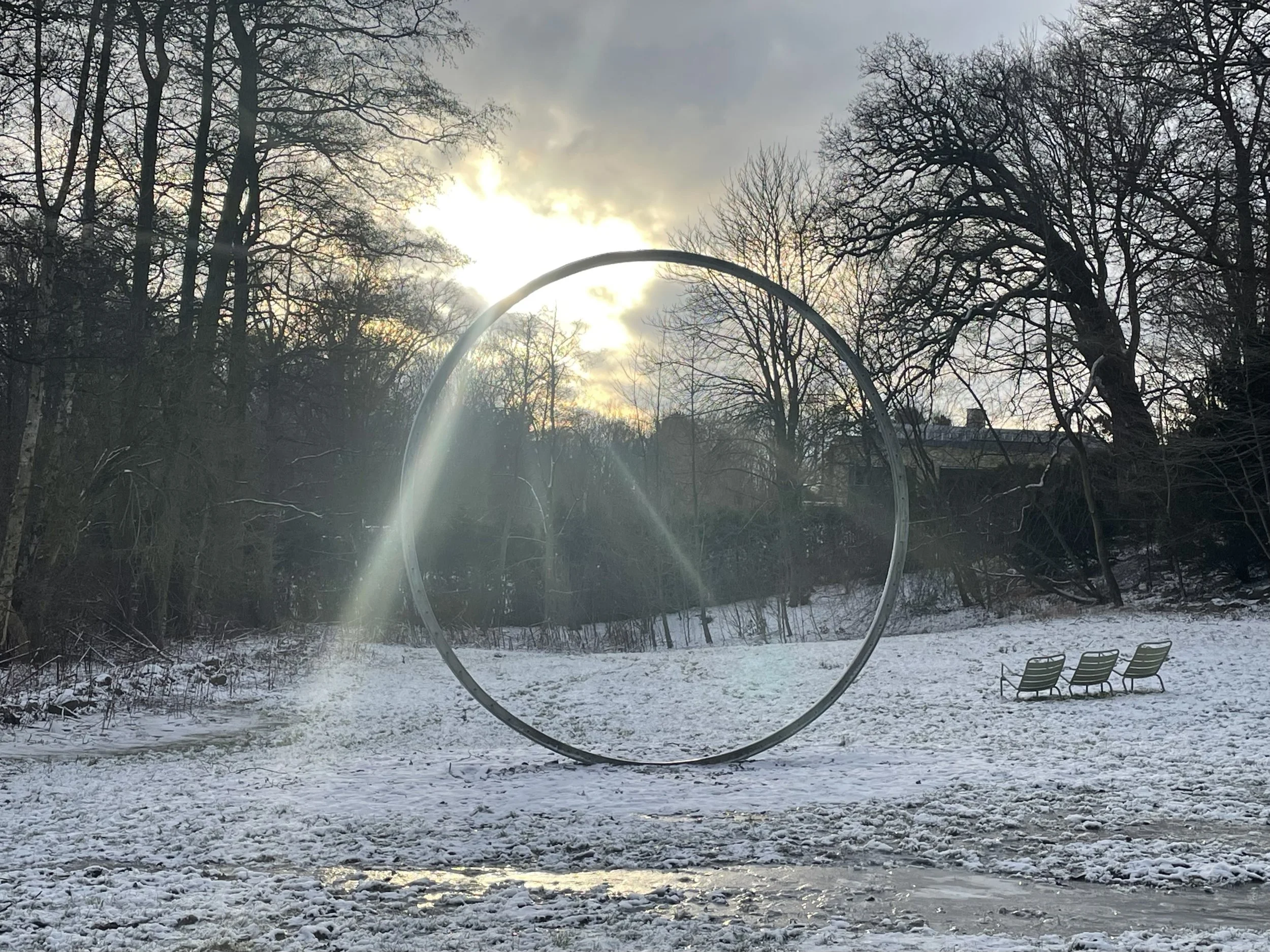
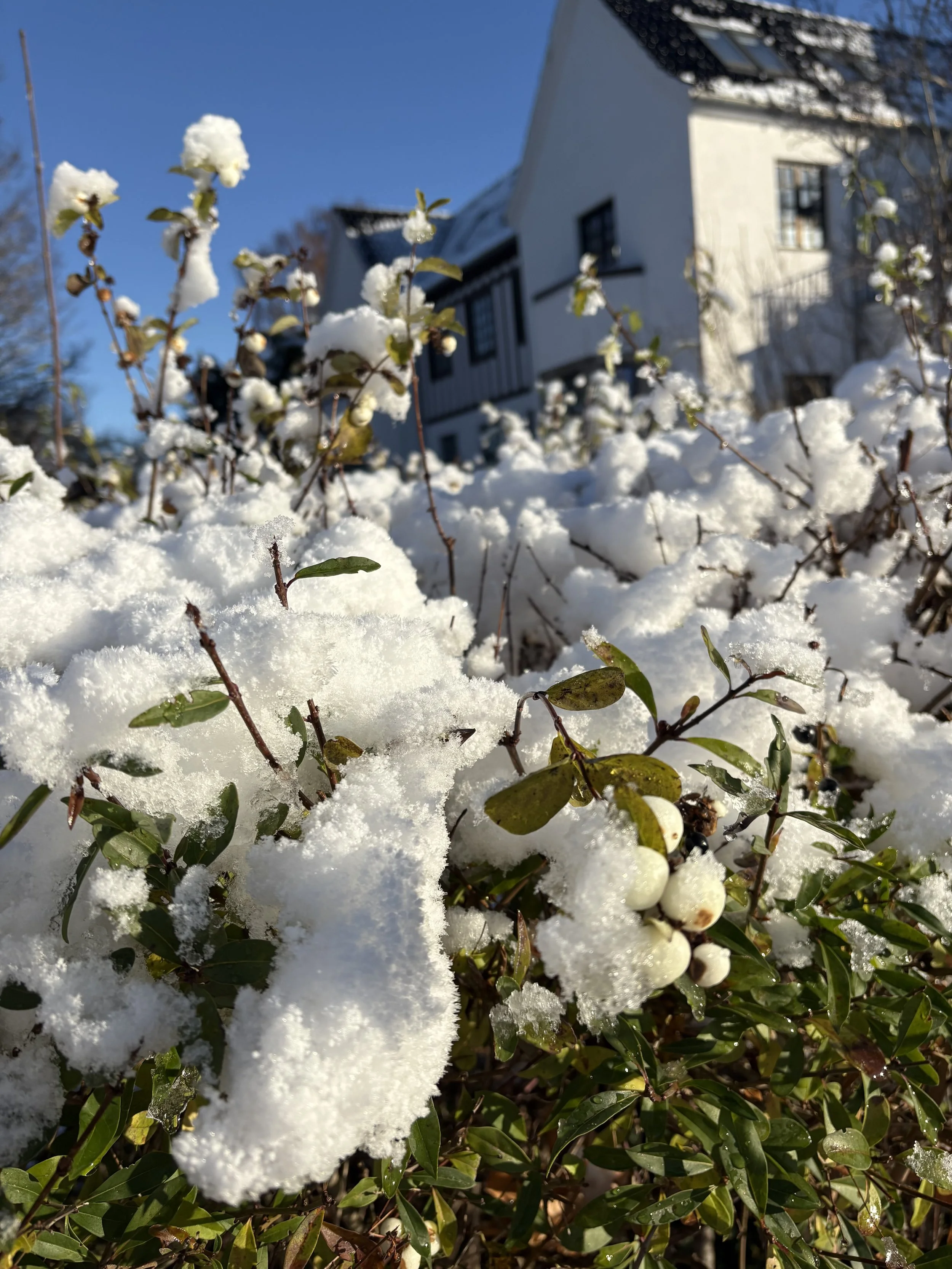
In winter, the natural world turns inwards. Trees stand bare, growth slows and life is sustained beneath the surface. In Chinese seasonal philosophy, this is the season of deep Yin and the Water element, associated with rest, recovery and the conservation of energy.
We are part of nature, yet our lives often continue at the same pace regardless of the season. Living the energy of winter invites us to take our cue from this inward movement: to nourish the deeper foundations of our vitality and give attention to what sustains us throughout the year.
The energies of Yin and Water are associated with qualities including trust, intuitive knowing, power and ease with the unknown. Winter’s inward movement supports the deeper listening and reflection through which we can cultivate these inner capacities and bring our potential into awareness.

A season worth living
The dark mornings and short days of winter can make spring feel a long way away. It is tempting to get through the coming months by keeping busy and simply waiting for the light to return.
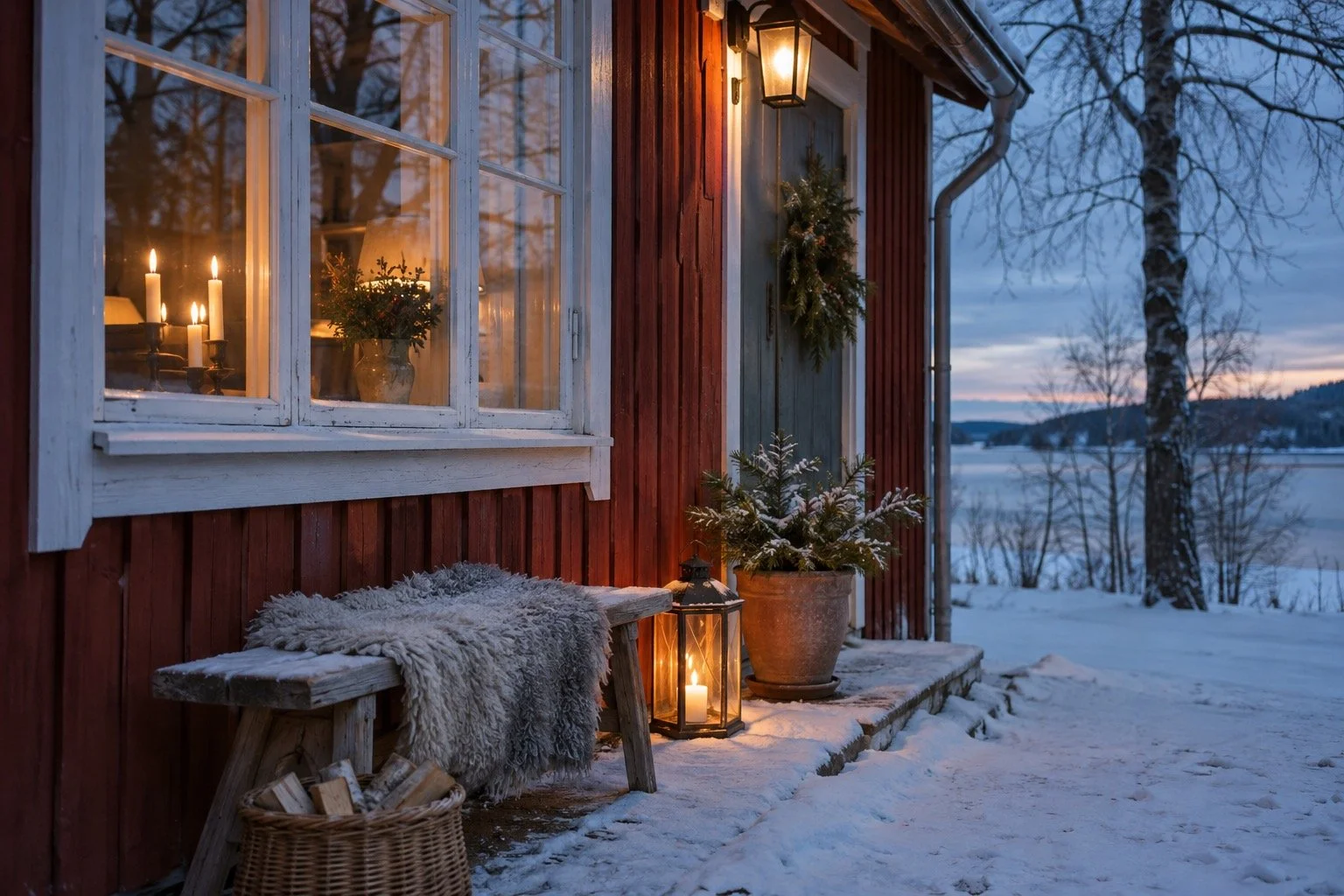
Yet winter has its own treasures: a walk in the cold followed by the warmth of home, a candlelit dinner table, a quiet evening with a book and unhurried time with people we care about. It offers valuable opportunities, too. The season invites us to recover from what has gone before, replenish ourselves and give attention to parts of our lives that have yet to emerge.
This is the promise of seasonal living. Instead of expecting the same pace and kind of energy from ourselves all year, we can draw on what each season supports. Winter gives us a chance to nourish our vitality and cultivate inner resources that remain valuable long after spring arrives.
@AC Myrup
Why winter matters for resilience
In Chinese seasonal philosophy, spring and summer are associated with the outward movement of Yang: emergence, growth and expression. In autumn, Yin grows and the movement turns towards gathering and integration. Winter brings us into deeper Yin, with its emphasis on storage, nourishment and recovery.
We need both Yin and Yang throughout the year. The seasons offer a way to consider their changing balance and the relationship between them.
Growth in spring and summer draws on our resources. Integration in autumn helps us absorb what we have experienced and learned. In winter, recovery allows us to replenish ourselves, so that we can continue to engage fully with life.
A tree’s seasonal cycle includes a period when visible growth gives way to conserving resources. Our lives are different, but the image is useful: sustained growth depends on what happens between periods of outward activity.
Winter has its own work to do.

@AC Myrup
When does winter begin?
Different calendars offer different answers.
In Denmark and the rest of the Northern Hemisphere, meteorological winter runs from 1 December to the end of February. Astronomical winter begins at the December solstice and continues until the March equinox.
The traditional Chinese calendar places winter earlier. Lidong, the Beginning of Winter, falls around 7 or 8 November. Lichun, the Beginning of Spring, arrives around 3 or 4 February, placing the winter solstice near the middle of the season.
In the traditional Irish calendar, Samhain marks the beginning of winter around 1 November, while Imbolc marks the beginning of spring around 1 February.
The changing light, temperature and natural landscape give us opportunities to notice the season for ourselves.
Nourishing the foundations of vitality
In traditional Chinese medicine, winter and the Water element are associated with the Kidney energy system. This has a broader meaning than the anatomical kidneys in Western medicine. It is said to store Jing, often translated as Essence, a foundation of life associated with our constitution, growth, reproduction and ageing.
The idea of Essence directs attention to our deeper, longer-term vitality. It invites us to consider how we care for what sustains us over the course of our lives, as well as how we find enough energy for today.
Winter provides an opportunity to give this care a place in everyday life. Sleep and recovery, nourishing food and movement all matter. So do pleasure, connection, creativity and the experiences that make us feel truly alive.
Nourishment can look different from one person to another. It is worth taking time this winter to discover what restores you and what you want to protect as part of caring for your vitality.

The active work of deep Yin
Deep Yin invites a change in the direction of our attention. Much as winter’s activity takes place out of sight, we can give more attention to what is happening within us.
This is active work. It includes listening to our bodies, making space for reflection and becoming more receptive to our experience. It asks us to notice what is present now, rather than moving immediately to the next task.
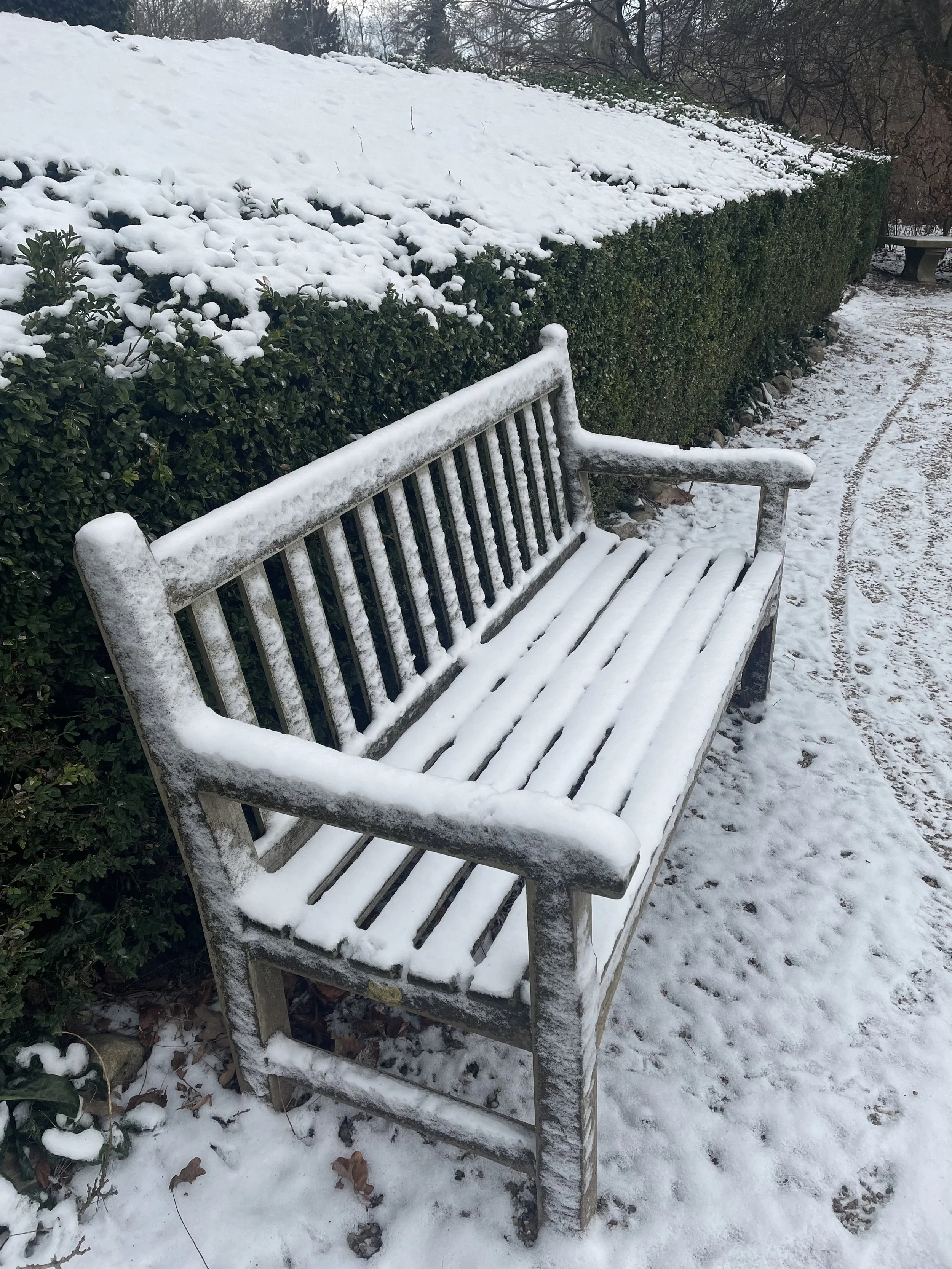
Stillness supports this inward attention. Watching a fire, taking a quiet walk alone or spending time in meditative practice like Sophrology, can give us an opportunity to be present and cultivate a deeper, positive relationship with ourselves. When practised regularly, these moments can make it easier to notice what we need and what we know.
@AC Myrup
The art of receiving
Receptivity is one of the qualities associated with Yin. As an inner capacity, it includes listening, taking in our experience and allowing ourselves to receive help, support and care.
Giving can come more easily than receiving. We may be quick to offer help but hesitate to accept it ourselves. Winter offers an opportunity to practise being more open to what others offer.
This might mean accepting help with a practical task, allowing someone to care for you or receiving a compliment without dismissing it. This winter notice what it’s like to let yourself be supported.

The strength of Water
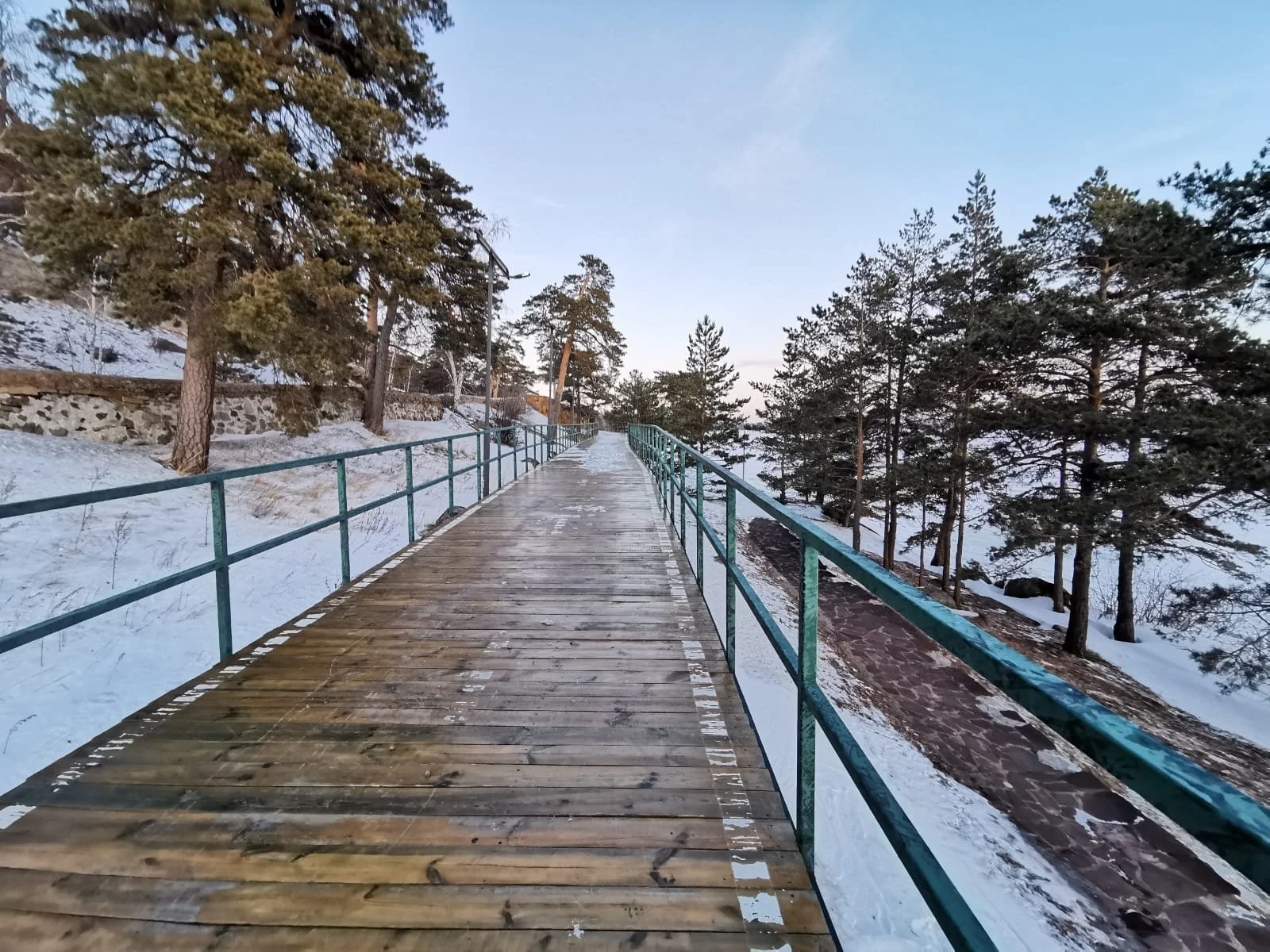
Water can be deep and still, or moving and powerful. It finds its way around obstacles, takes the shape of its surroundings and can wear away rock over time. Its strength includes persistence as well as adaptability.
The Water element invites us to explore qualities such as determination, perseverance, courage and patience. These are inner resources for meeting life: determination can help us stay with a direction that matters, while flexibility allows us to respond when circumstances change.
Winter is an opportunity to cultivate our connection with this kind of personal power. What does it feel like when you are connected to your own strength? How might determination and flexibility support you together?
A body-mind practice, such as Sophrology, can take this exploration beyond thinking about an inner capacity. By giving attention to how strength or steadiness is experienced in the body, we can become more familiar with it and cultivate our access to it in daily life.
@AC Myrup
Trust, curiosity and the unknown
Fear is the emotion associated with the Water element in traditional Chinese medicine. Fear can alert us to danger and help us take care. The Water element also invites attention to inner capacities that support us when life feels less certain and our response to uncertainty feels out of balance.
One of these capacities is basic trust: a sense of being able to meet life even when we cannot control or predict everything that happens.
Another is curiosity. When we do not yet know the answer, curiosity allows us to remain open, interested and non-judgemental. It gives us another way to approach an unfamiliar situation or a question that needs time.
Winter’s inward energy supports us in practising the capacity to be with the unknown. A winter journal can offer a place for this exploration. Regular writing gives us time to listen to ourselves and notice what becomes clearer, without needing to arrive at an answer immediately.

@AC Myrup
Listening to our inner wisdom
Knowing and being comfortable with not knowing are both part of the Water energy. Inner wisdom includes a connection with a deeper knowing that lies beneath our everyday thoughts. We might recognise it as a gut feeling, or as an insight that surfaces when we are no longer actively thinking about a question.
We can cultivate this connection by making space for stillness and contemplation, and by becoming more grounded in our bodies. A quiet walk, a meditative practice or a few moments of conscious attention can help us listen.
Think of a pool of water: when its surface is disturbed, it can be difficult to see what lies beneath. As it settles, more becomes visible. In the same way, giving ourselves time and attention can help us notice what we know but might otherwise miss.
This does not mean that every feeling is an answer. Rather, we can listen more deeply and bring what we discover into dialogue with our experience and the circumstances we face.
@AC Myrup
Exploring our potential
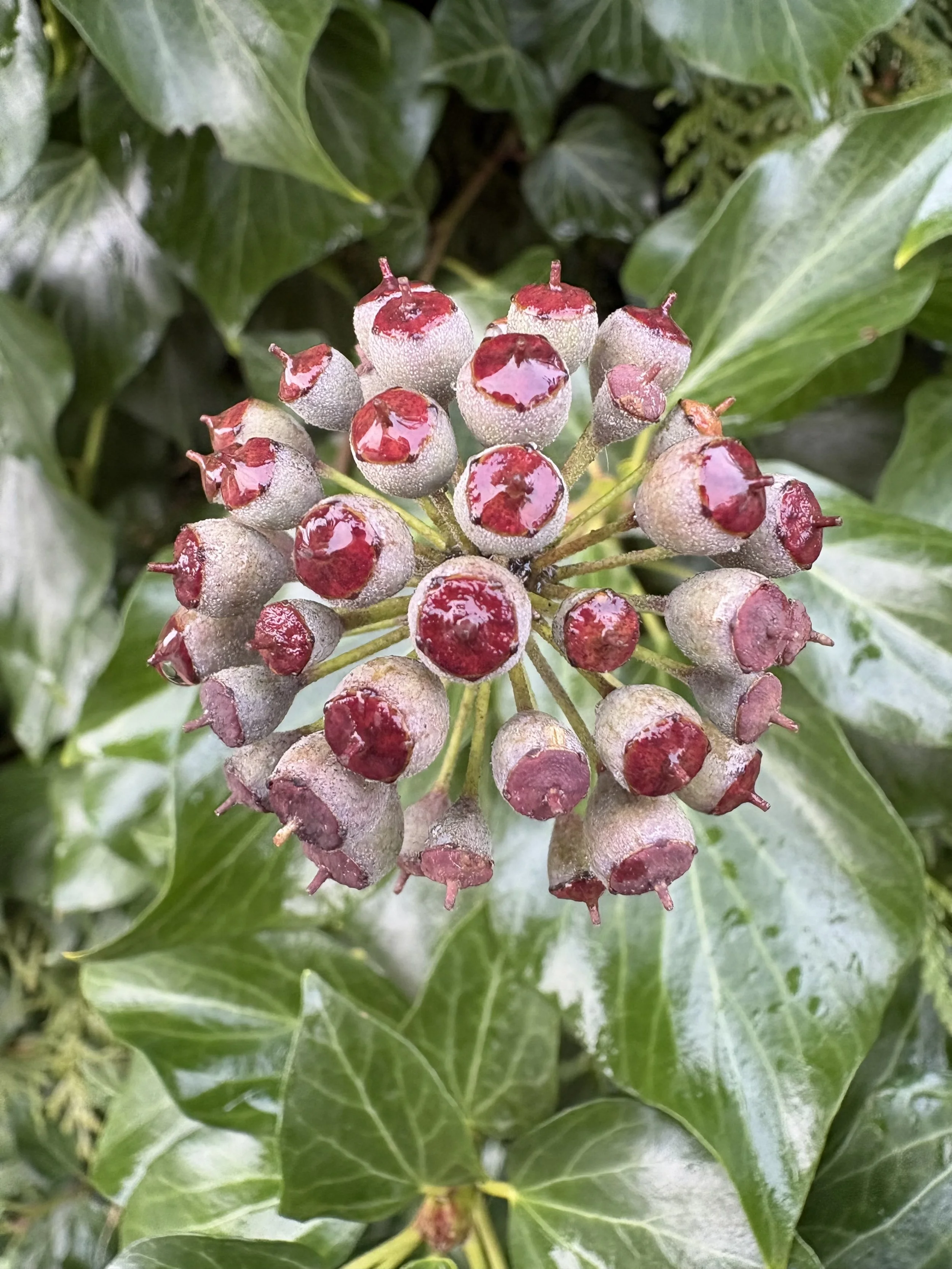
Winter is a season of storage, and what is held in reserve contains potential. A seed does not yet show the form of the plant it may become, but it holds the possibility of growth when the conditions are right.
We too can use this inward time to explore what is waiting to emerge in us. There may be a talent we want to cultivate, an interest we have neglected or a possibility we have not yet given our attention.
We do not have to turn every discovery into a plan. Through reflection or contemplation, we can give our potential attention and allow a sense of direction to emerge before the more outward movement of spring.

@AC Myrup
Warmth, food and connection
Caring for ourselves in winter can be both practical and pleasurable. A woollen jumper and warm socks, a warm bath or a visit to a sauna can bring welcome warmth. So can taking time to settle at home after being outdoors.
In Denmark, hygge describes the pleasure of creating a warm, comfortable atmosphere and enjoying quality time together. Invite friends to make a pot of soup or stew, then share it by candlelight. Or take a flask of something warm to the sea or a park and enjoy a winter picnic together.
There is room for individual pleasures too. Create a winter reading ritual: choose a book, find a comfortable place and settle down, alone or with a friend. Making something with your hands can bring its own satisfaction. Knit, sew, try ceramics or arrange winter branches simply for the pleasure of creating.
Rest and restoration are not always the same. We can stop working and remain mentally busy; we can spend an afternoon walking, creating or laughing with friends and feel restored. Winter invites us to pay attention to what sustains our vitality at the deepest level.

Getting outdoors
A familiar landscape can look quite different in winter. Visit the sea, a forest or a nearby park and notice how the light, colours and sounds change. Return to the same place as the weeks pass and watch for the gradual signs of spring.
The Norwegian idea of friluftsliv celebrates spending time in nature throughout the year. A brisk walk or a cycle ride can be part of this enjoyment. When conditions allow, there is fun to be found in sledging, ice skating or skiing through a winter landscape. These experiences can bring movement, laughter and connection with others into the season.
A visit to a botanical garden offers another way to experience winter: notice the plants outdoors, then step into the garden’s greenhouse to enjoy the warmth and greenery inside.
The colours and foods of Water
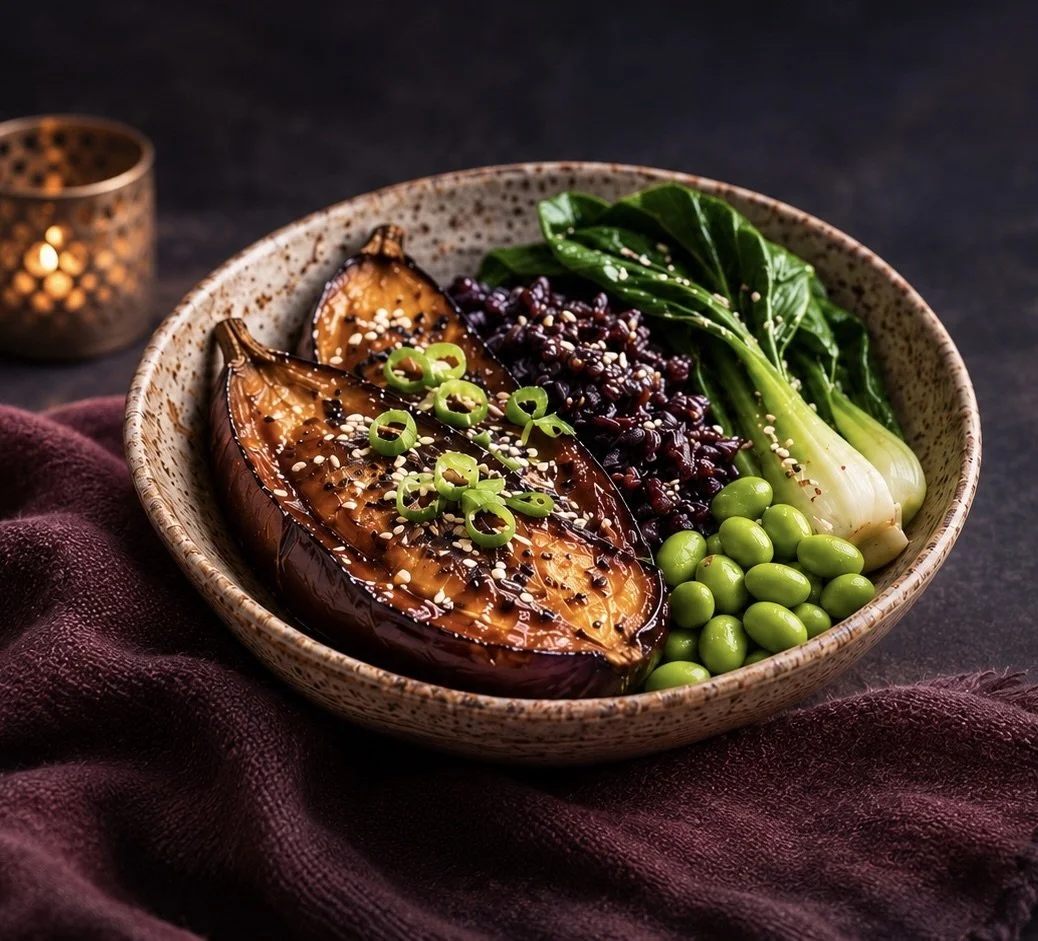
Black is the colour traditionally associated with Water in the Five Element framework; deep blue is included in some interpretations. Both offer inspiration for the winter table.
Black beans, black rice and black sesame seeds appear in traditional Chinese dietary approaches. Other ingredients to enjoy include black lentils, aubergines, dark mushrooms and blueberries.
Try black rice with roasted aubergine and greens, a warming black bean stew or blueberries stirred into porridge. Let the colours encourage you to explore ingredients and recipes you enjoy as part of your nourishment this season.
The Sophrology practice and the energy of winter
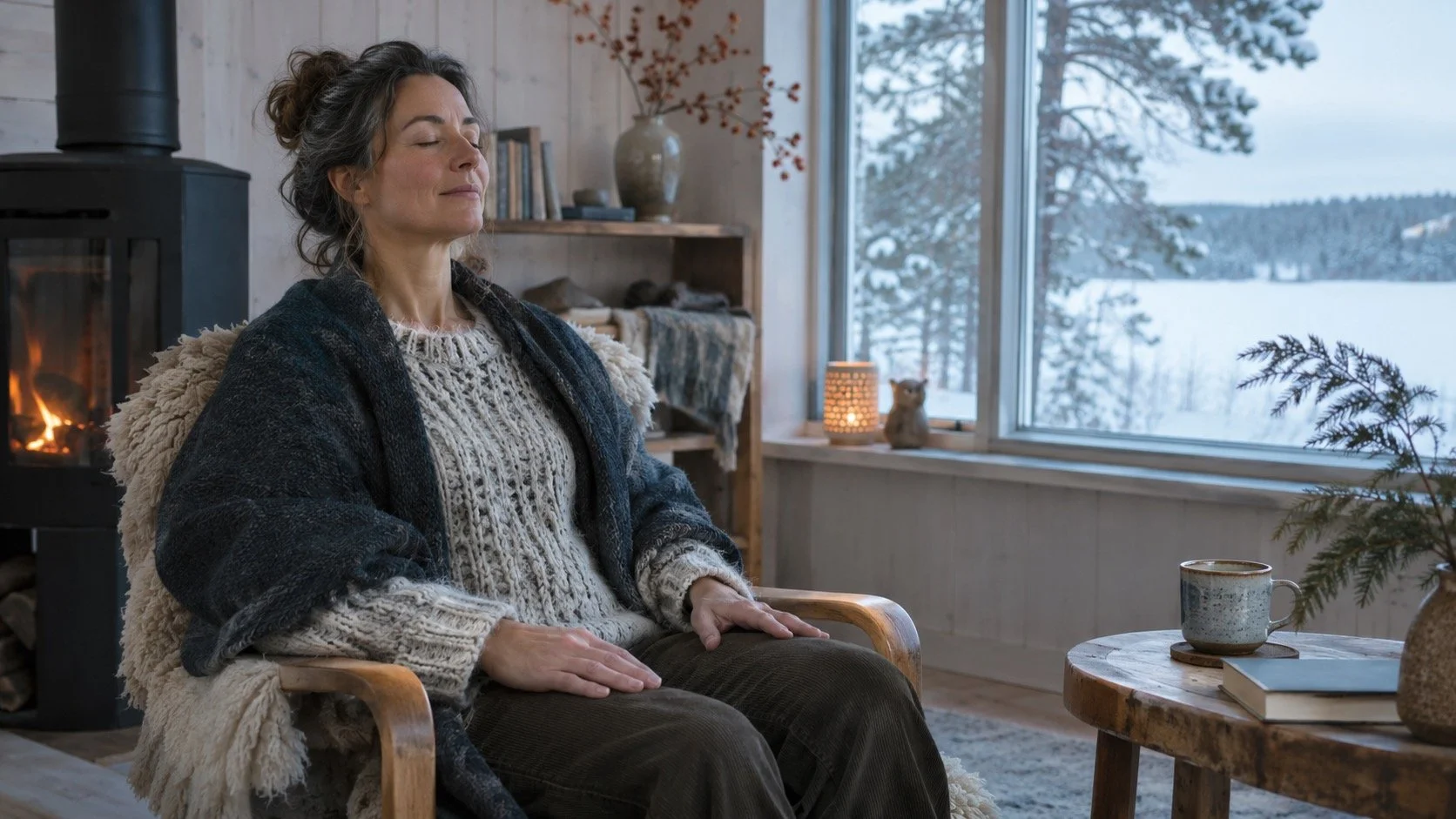
The Sophrology practice offers a way to explore the winter energy and cultivate the inner capacities associated with Yin and Water.
The embodied practice brings together breath, gentle movement, visualisation, contemplation and sound. It cultivates body awareness and present-moment awareness, grounding us in the body and helping us perceive what is happening within us and around us. We become more able to notice life as it is in the moment.
We can use this presence and awareness to cultivate inner capacities such as trust, inner knowing, patience and the ability to be with the unknown. In a guided visualisation, we bring a chosen capacity to life through the senses and give attention to how it is experienced in the body.
The process is experiential. By returning to a capacity and experiencing its sensations repeatedly in the practice, we can become more familiar with it and more able to access it in daily life.
Contemplation offers another way to explore. We can bring a theme such as personal power, potential or nourishment of our Essence into the practice and give it our full attention, exploring it with curiosity and wonder. This creates space to discover what it means to us in everyday life.
The integration pause is part of that process. After each exercise within the Sophrology practice, we give ourselves time to notice and absorb what has arisen. This allows us to experience an inner capacity fully, including how it is felt in the body, before moving on. The pause gives the experience space to register as something we have lived and can return to, rather than remaining an idea we have thought about.
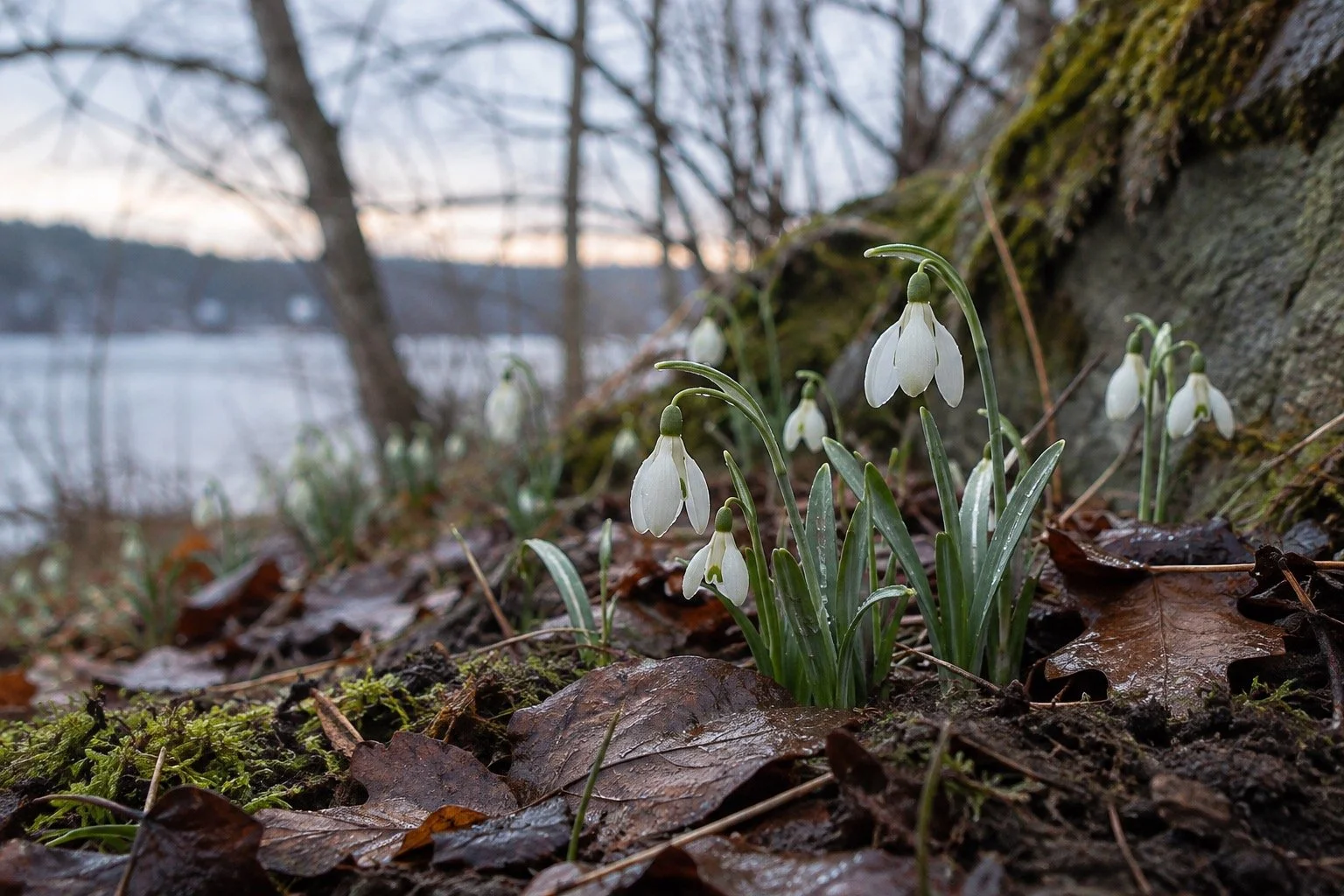
Imbolc: noticing the first signs of spring
Imbolc, around 1 February, marks the beginning of spring in the traditional Irish calendar. It is associated with the first signs of renewal and the season of lambing. St Brigid’s Day is celebrated at the same time, with traditions including making Brigid’s crosses and visiting wells.
Imbolc is a chance to look for the earliest signs of spring and reflect on what has been taking shape during winter. What has nourished you? What would you like to carry into the season ahead?

@AC Myrup
Carrying winter’s wisdom into the year
Winter gives us a chance to care for the deeper foundations of our vitality and cultivate our connection with the inner capacities that help us meet life.
As the light returns, we can carry what we have nourished and cultivated into the more outward movement of spring.
How will you live the energy of winter?
With love and care,
Anna